FSSAI Laboratory & Sample Analysis Amendment Regulations 2026: New Testing Timelines, Methods & Compliance Requirements
Introduction Food safety compliance depends not only on the standards applicable to a food product, but also on the reliability,


Introduction Food safety compliance depends not only on the standards applicable to a food product, but also on the reliability,

Introduction Sunscreen products play an important role in protecting skin against ultraviolet (UV) radiation. For manufacturers, however, demonstrating the claimed
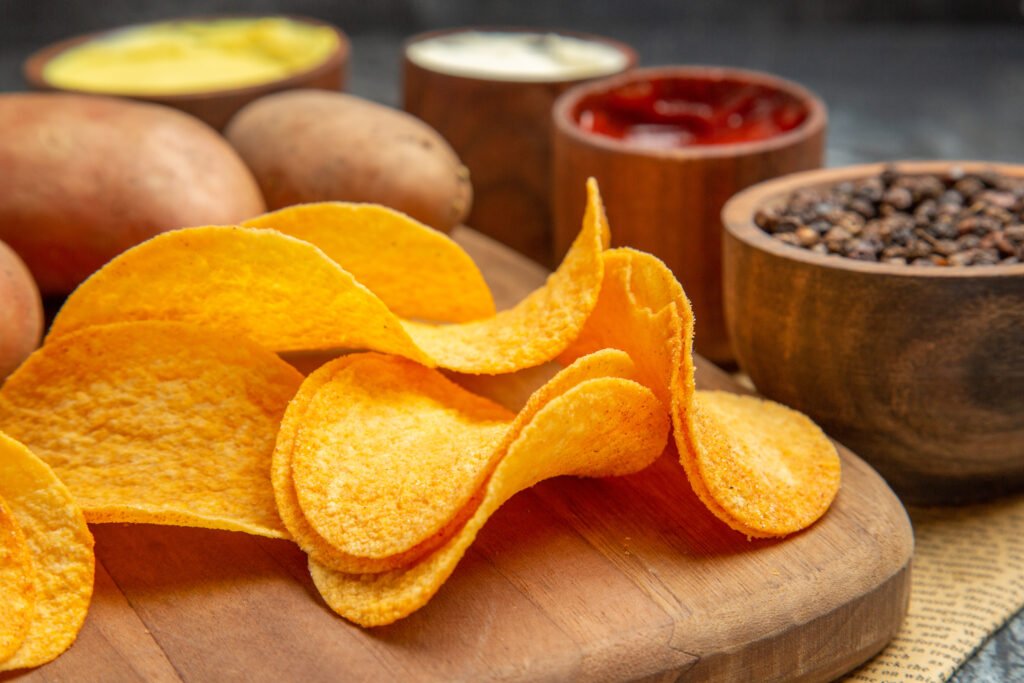
Introduction Acrylamide is a process contaminant that can form naturally in certain foods when they are cooked or processed at
Introduction Nitrosamine impurities are a class of potentially carcinogenic impurities that can be present in pharmaceutical products or form during

Introduction Mycotoxins are naturally occurring toxic compounds produced by certain species of moulds (fungi). They can contaminate agricultural commodities before
Introduction Chlorate and perchlorate are inorganic oxyanion contaminants that can occur in food through environmental exposure, agricultural inputs, water, sanitation
Introduction Ethylene Glycol (EG) and Diethylene Glycol (DEG) are toxic industrial chemicals that should not be present at unacceptable levels

Introduction Tea is one of the world’s most widely consumed beverages and maintaining its chemical safety is an important part
Introduction Food safety extends beyond pesticides, heavy metals, and microbiological hazards. Naturally occurring plant toxins, particularly Pyrrolizidine Alkaloids (PAs) and
Introduction The European Commission has published Commission Regulation (EU) 2026/215, introducing amendments to the Maximum Residue Levels (MRLs) for three