

Environment Testing

Environmental Quality Testing
Environment Testing Services
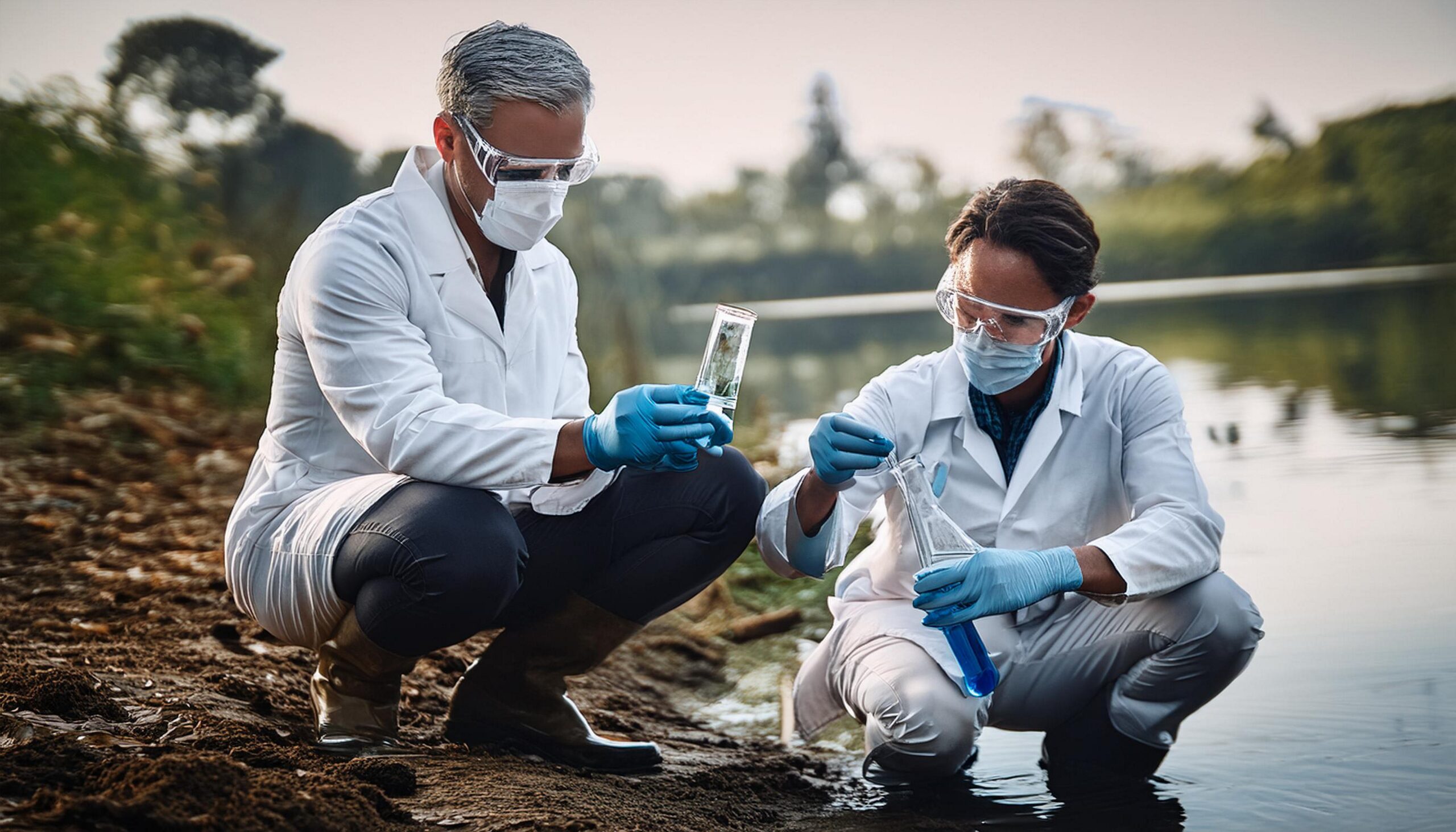
Water Testing
- Ground Water/Bore-well/Drinking Water as per IS 10500
- Packaged Drinking Water as per IS 4543
- Packaged Natural Mineral Water as per IS 13428
- Drinking-Water as per council EC directive 98/83
- Microbiological Analysis (bacteria and Pathogens)
- Virus (MS2) and Parasites (Giardia & Cryptosporidium)
- Cooling Tower Water
- Ballast Water
- Swimming Pool Water
- Demineralized Water
- Organic – Contaminants
- Microplastic Analysis
- Aquatic Toxicity
- Oil & Grease – FTIR
- Microbial Analysis
- Pesticides & Herbicides\Parasites
- Trace elements
- Cations & Anions
- Geochemical Analysis
- Heavy metals and trace metals
- Volatile Organic Compounds (VOC – 8260)
- Semi-Volatile Organic Compounds (SVOC- 8270D)
- Organochlorine Group Pesticides
- Organophosphorus Group Pesticides
- Carbamates Group Pesticides
- Chlorinated Hydrocarbons
- TPH (Oil & Grease)
- USEPA Suite for Effluent Water
- Analysis of HW for direct disposal to secured landfill
- Organic & Inorganic contaminants
- Aquatic Toxicity (Bio-assay test)
- Biological Hazards
- INORGANIC Suites
- Cations & Anions
- Heavy metals and trace metals
- Organochlorine Group Pesticides
- Organophosphorus Group Pesticides
- Carbamates Group Pesticides
- Chlorinated Hydrocarbons
Soil Testing
- Micro and Macro Nutrients
- Dioxins & Furans
- Microbiological Analysis (bacteria and Pathogens)
- Virus (MS2) and Parasites (Giardia & Cryptosporidium)
- Cations & Anions
- Heavy metals and trace metals
- Pesticides and Herbicides as per National & International standards
- Asbestos
- VOC
- Virus Profile
- Protozoa Profile
- Helminthes egg
- Volatile Organic Compounds (VOC) as per USEPA 8260
- Semi-Volatile Organic Compounds (SVOC) as per USEPA 8270D
- Organochlorine Group Pesticides
- Organophosphorus Group Pesticides
- Carbamates Group Pesticides
- Chlorinated Hydrocarbons
- TPH (Oil & Grease)
- Hazardous Waste analysis as per CPCB Schedule II Standard
- Hazardous waste at TCDF facility
- Analysis of HW for direct disposal to secured landfill
- USEPA SW 846
- TCLP and STLC extractions
- Toxicity (Bio-assay test)
- Biological Hazards

Environment Monitoring
- Indoor air quality monitoring
- Noise monitoring
- Illumination studies
- Ambient air monitoring
- Stack emission monitoring
- Solid/ Respirable particulate matter

Biochar
Biochar is a carbon-rich material produced through the thermochemical conversion of biomass under oxygen-limited conditions. Owing to its highly aromatic carbon structure and exceptional stability, biochar can persist in soils for centuries while improving soil fertility, increasing water retention, enhancing nutrient availability and reducing greenhouse gas emissions. In addition to its agricultural benefits, biochar has emerged as a leading carbon dioxide removal technology because it converts biogenic carbon into a durable form suitable for long-term sequestration and carbon credit generation.
The quality and performance of biochar are strongly influenced by feedstock characteristics and production conditions, making comprehensive laboratory characterization essential. Analytical evaluation ensures product consistency, determines carbon permanence, identifies potential contaminants and verifies compliance with international standards and carbon market requirements.
- Total carbon
- Fixed carbon
- Volatile matter
- Ash content
- Moisture content
- pH
- Electrical conductivity
- Surface area
- H/Corg ratio
- O/C ratio
- Cation Exchange Capacity
- Nutrient profile
- Heavy metals
- Polycyclic Aromatic Hydrocarbons (PAHs)

Enhanced Rock Weathering (ERW)
Enhanced Rock Weathering (ERW) is an engineered carbon dioxide removal (CDR) approach that accelerates the Earth’s natural silicate weathering process to permanently remove atmospheric CO₂. The technology involves the application of finely ground silicate minerals, such as basalt or other suitable rock powders, to agricultural soils where they react with carbon dioxide and water to form dissolved bicarbonate ions and stable carbonate minerals. These weathering reactions not only facilitate long-term carbon sequestration but also improve soil fertility by releasing essential plant nutrients, enhancing pH buffering capacity, and increasing cation availability. As ERW gains recognition under voluntary carbon markets and scientific frameworks, robust analytical data is essential to demonstrate carbon removal, quantify weathering rates and establish environmental integrity.
At the core of every successful ERW project lies a comprehensive Measurement, Reporting, and Verification (MRV) framework. Reliable laboratory testing is required to characterize feedstock materials, monitor geochemical transformations in soils and waters, evaluate dissolution kinetics and verify the permanence of carbon sequestration. The complexity of these interactions demands high-precision analytical methodologies capable of supporting both scientific research and commercial carbon credit generation.
Key Analytical Parameters
- Mineralogical composition
- Major and trace elemental analysis
- Particle size distribution
- Specific surface area
- Soil organic carbon
- Total inorganic carbon
- pH and alkalinity
- Dissolved inorganic carbon
- Exchangeable cations
- Cation Exchange Capacity (CEC)
- Bicarbonate concentration
- Calcium and magnesium content
- Heavy metal screening
- Weathering rate indicators

Eureka provides end-to-end analytical support for Enhanced Rock Weathering initiatives by delivering scientifically robust data throughout the project lifecycle. From baseline characterization of rock feedstocks and agricultural soils to continuous monitoring of geochemical changes and carbon sequestration performance, Eureka enables project developers, researchers and carbon registries to make informed decisions backed by high-quality laboratory evidence. Using advanced instrumentation and standardized analytical protocols, Eureka assists in validating mineral suitability, assessing environmental safety, quantifying weathering efficiency and supporting transparent MRV requirements for carbon credit certification. By integrating soil science, geochemistry, and environmental analytics, Eureka helps ensure that ERW projects achieve measurable climate benefits while maintaining agricultural productivity and ecosystem health.
Regenerative Agriculture
Regenerative Agriculture is a holistic land management approach designed to restore degraded soils, improve ecosystem resilience, increase biodiversity and enhance carbon sequestration through sustainable agricultural practices. Unlike conventional farming systems that often lead to soil degradation and nutrient depletion, regenerative practices focus on rebuilding soil organic matter, stimulating microbial activity, improving water retention, and reducing greenhouse gas emissions. Scientific monitoring of soil health indicators is essential to evaluate the effectiveness of these interventions and to demonstrate measurable environmental outcomes.
As regenerative agriculture becomes increasingly integrated with carbon farming initiatives and sustainability reporting frameworks, laboratory analysis serves as the foundation for documenting improvements in soil quality and carbon storage. Long-term monitoring enables stakeholders to quantify changes in soil organic carbon stocks, nutrient cycling, biological activity and ecosystem functionality while supporting compliance with certification programs and carbon market methodologies.
- Soil organic carbon
- Total organic carbon
- Total nitrogen
- Specific surface area
- Potassium
- Sulfur
- Micronutrients
- Soil pH
- Electrical conductivity
- Bulk density
- Aggregate stability
- Water holding capacity
- Cation Exchange Capacity
- Soil respiration
- Microbial biomass

Eureka delivers comprehensive analytical solutions that enable farmers, agribusinesses, sustainability programs and carbon project developers to scientifically evaluate regenerative practices. Through detailed soil characterization and long-term monitoring, Eureka generates reliable datasets that track improvements in soil health, nutrient dynamics, and carbon accumulation. These insights support evidence-based management decisions, validate regenerative outcomes and strengthen participation in carbon farming and sustainability initiatives. By combining precision laboratory testing with environmental expertise, Eureka helps stakeholders transform agricultural systems into resilient, climate-positive ecosystems.
Afforestation, Reforestation and Revegetation (ARR)
Afforestation, Reforestation, and Revegetation (ARR) projects are among the most established nature-based solutions for atmospheric carbon dioxide removal. These initiatives restore or establish vegetation cover in degraded or previously non-forested landscapes, promoting carbon sequestration through biomass growth while enhancing biodiversity, soil stability, hydrological functions and ecosystem services. Successful ARR projects depend on accurate baseline assessments and continuous monitoring of both biological and environmental parameters to quantify carbon storage and ensure project permanence.
Laboratory analysis plays a critical role in understanding soil fertility, nutrient availability, biomass composition and environmental conditions that influence vegetation growth and long-term carbon accumulation. High-quality analytical data supports carbon accounting methodologies, ecological restoration planning and compliance with international carbon standards and certification programs.
- Soil organic carbon
- Available nutrients
- Total nitrogen
- Bulk density
- Moisture content
- Soil pH
- Moisture content
- Plant tissue nutrients
- Biomass carbon content
- Bulk density
- Water quality indicators
- Heavy metals
- Soil texture
- Cation Exchange Capacity
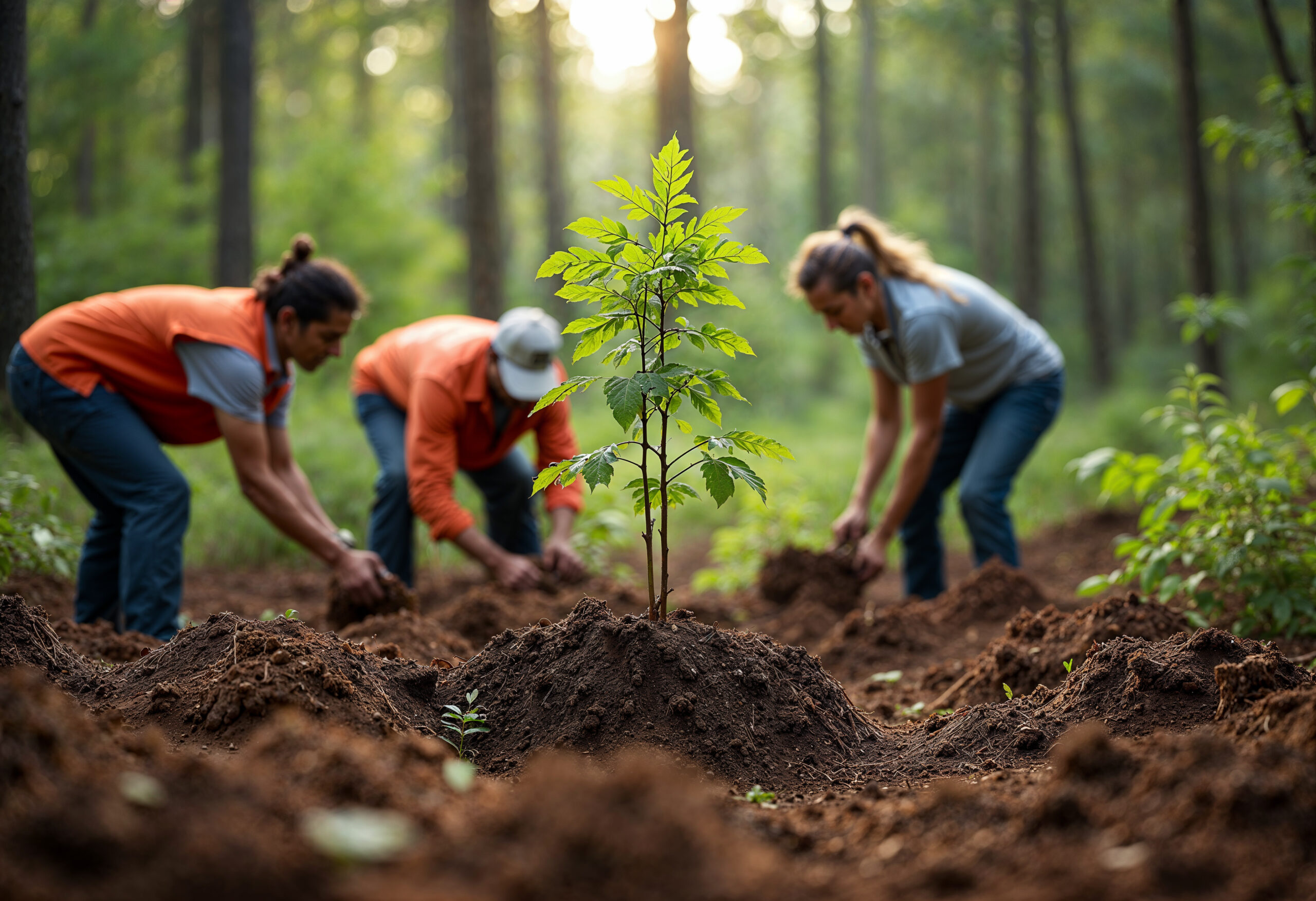
Eureka provides scientific and analytical support across every stage of ARR implementation, beginning with baseline site assessments and extending through long-term environmental monitoring. By evaluating soil quality, vegetation health, biomass composition, and ecosystem dynamics, Eureka generates reliable evidence required for carbon accounting and project verification. The laboratory’s multidisciplinary expertise enables developers to optimize restoration strategies, monitor ecological performance and demonstrate measurable carbon sequestration outcomes. Eureka’s analytical capabilities strengthen transparency, improve project credibility and facilitate successful participation in voluntary and compliance carbon markets.
Alkalinity Source Weathering (ASW)
Alkalinity Source Weathering (ASW) represents an emerging carbon dioxide removal strategy that enhances the natural capacity of alkaline minerals to capture atmospheric CO₂ through accelerated geochemical reactions. By introducing alkaline materials into terrestrial or aquatic environments, ASW increases alkalinity, facilitating the conversion of dissolved carbon dioxide into stable bicarbonate and carbonate species that can remain sequestered over geological timescales. The effectiveness of these systems depends on mineral reactivity, dissolution kinetics, environmental compatibility and long-term stability.
Comprehensive laboratory characterization is essential to evaluate source materials, understand reaction mechanisms, assess contaminant risks, and quantify carbon removal efficiency. As global interest in engineered carbon removal technologies grows, high-quality analytical data is increasingly important for regulatory acceptance, environmental impact assessments and carbon market verification.
- Mineral composition
- Acid Neutralization Capacity
- Particle size distribution
- Surface area
- Alkalinity potential
- Dissolution rate
- Calcium and magnesium oxides
- Trace elements
- Leachability
- Carbonate content
- Heavy metals
- pH evolution

Eureka supports Alkalinity Source Weathering initiatives through comprehensive material characterization, dissolution studies and environmental monitoring designed to evaluate carbon removal performance and ecological safety. By providing precise geochemical analyses and contaminant assessments, Eureka enables project developers to select appropriate alkaline materials, optimize reaction efficiency and ensure compliance with environmental standards. The laboratory’s expertise contributes to scientifically defensible MRV systems that underpin transparent carbon accounting and long-term sustainability objectives.