

Nutraceutical Testing

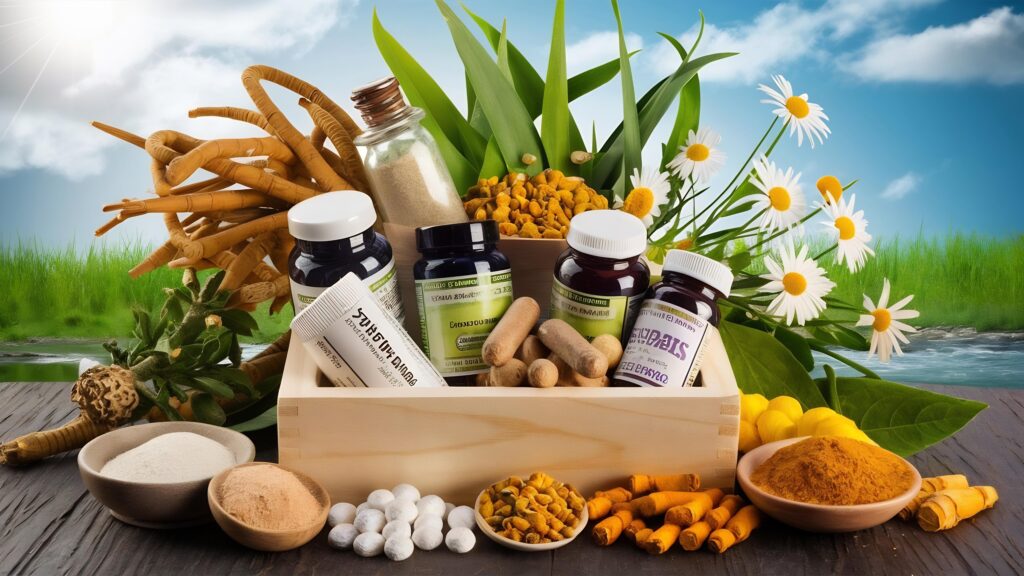
Nutraceuticals, Dietary Supplements, Herbal Products & Functional Foods
What Are Nutraceuticals?
Dietary supplements
Vitamins
Herbal supplements
Botanical extracts
Functional foods
Functional beverages
Protein supplements
Sports nutrition products
Minerals
- Omega-3 fatty acids
- Probiotics & Prebiotics
- Amino acid supplements
- Enzyme preparations
- Medicinal mushrooms
- Nutritional gummies
- Effervescent tablets
- Capsules & soft gels
- Powder formulations
Why is Nutraceutical Testing Critical?
The growing popularity of nutraceuticals, dietary supplements, and functional foods has heightened expectations for product quality, safety and efficacy. Unlike conventional foods, nutraceuticals often contain concentrated bioactive ingredients that require precise formulation and rigorous quality control to ensure consistent performance and consumer safety. Variations in raw material quality, botanical source, manufacturing processes and storage conditions can significantly affect the potency and stability of the final product. Comprehensive analytical testing helps verify ingredient identity, confirm label claims, detect contaminants and ensure compliance with national and international regulations. Robust testing not only minimizes the risk of product recalls and regulatory actions but also strengthens brand credibility and consumer confidence in an increasingly competitive marketplace.
Global Regulatory Landscape for Nutraceuticals
- India
- Food Safety and Standards (Health Supplements, Nutraceuticals, Food for Special Dietary Use, Food for Special Medical Purpose, Functional Food and Novel Food) Regulations
- Food Safety and Standards (Labelling & Display) Regulations
- Food Safety and Standards (Contaminants, Toxins & Residues) Regulations
- Food Safety and Standards (Packaging) Regulations


- United States
- European Union
In the United States, dietary supplements are primarily regulated under:
- Dietary Supplement Health and Education Act (DSHEA)
- FDA Current Good Manufacturing Practices (21 CFR Part 111)
- Dietary Ingredient Notification requirements
- USP Standards
- AOAC Official Methods
Increasing FDA enforcement has placed greater emphasis on identity testing, active ingredient verification, contaminant analysis, stability studies and compliance with labeling requirements. Laboratories supporting the U.S. market are expected to employ scientifically validated methods aligned with recognized standards such as USP and AOAC.
Within the European Union, manufacturers must comply with regulations concerning:
- Food Supplements Directive
- General Food Law
- Maximum contaminant limits
- Novel Foods Regulation
- Botanical ingredient safety
- Food Information to Consumers (FIC)
- Health Claims Regulation
Products exported to Europe often require extensive contaminant testing together with scientifically validated analytical methods.
Recent Regulatory Trends Impacting Nutraceutical Testing
As the global nutraceutical market continues to expand, regulatory authorities are strengthening oversight to ensure product safety, quality, efficacy, and transparency. Manufacturers are expected to adopt robust analytical testing strategies to comply with evolving regulatory requirements and meet increasing consumer expectations. Some of the key regulatory trends shaping the nutraceutical industry include:
- Enhanced Monitoring of Heavy Metals: Regulatory agencies are enforcing stricter limits and surveillance for toxic elements such as lead, cadmium, arsenic and mercury, particularly in botanical supplements, herbal products, marine-derived ingredients and protein supplements.
- Increased Focus on Pharmaceutical Adulteration: Authorities worldwide continue to identify dietary supplements adulterated with undeclared pharmaceutical ingredients, especially in products marketed for weight management, sexual enhancement, sports performance and muscle building. Comprehensive LC-MS/MS screening has become essential for detecting these prohibited substances and ensuring product integrity.
- Greater Emphasis on Botanical Authentication: To combat economically motivated adulteration and ingredient substitution, regulators are encouraging the use of advanced authentication techniques such as DNA barcoding, chromatographic fingerprinting and marker compound analysis to verify botanical identity and authenticity.
- Stringent Label Claim Verification: Manufacturers are increasingly required to demonstrate that the declared levels of vitamins, minerals, probiotics, botanical actives and other bioactive compounds remain consistent with label claims throughout the product’s shelf life.
- Expanded Contaminant Screening: Regulatory expectations now extend beyond traditional contaminants to include comprehensive screening for pesticide residues, residual solvents, mycotoxins, allergens, microbiological contaminants and emerging environmental contaminants such as PFAS, depending on product type and target market.
- Scientific Validation of Stability and Shelf Life: Authorities are placing greater importance on stability studies conducted under scientifically controlled conditions to substantiate expiry dates, maintain product potency, and ensure quality throughout the intended shelf life.
- Strengthened Traceability and Quality Systems: Global regulations increasingly emphasize end-to-end traceability, validated analytical methods, Good Manufacturing Practices (GMP), and accredited laboratory testing to support regulatory compliance, facilitate international trade and enhance consumer confidence.
By proactively addressing these evolving regulatory expectations through comprehensive analytical testing, nutraceutical manufacturers can minimize compliance risks, safeguard product qualit, and strengthen market acceptance across global markets.
Comprehensive Nutraceutical Testing Services
HPLC, GC, GC-MS, LC-MS-MS, GC-MS-MS, GC-HS-MS, ICPOES, ICPMS, FTIR, ELISA, PCR, UV-VIS

- Vitamins
- Amino Acids
- Curcuminoids
- Probiotics
- Omega-3 Fatty Acids
- Flavonoids
- Minerals
- Polyphenols
- Cannabinoids (where applicable)
- Prebiotics
- Botanical markers
- Plant alkaloids
Correct botanical identity is essential to prevent adulteration.
Our authentication capabilities include:
- DNA Barcoding
- Botanical microscopy
- Macroscopic identification
- Chromatographic fingerprinting
- Marker compound verification
Heavy metals remain one of the most significant regulatory concerns. Analytes include:
- Lead (Pb)
- Cadmium (Cd)
- Mercury (Hg)
- Arsenic (As)
Pesticide Residue Screening
Residual Solvent Testing
Accurate. Accredited. Regulatory Ready.
- Total Plate Count
- Yeast & Mold
- Coliforms
- Salmonella
- Escherichia coli
- Staphylococcus aureus
- Bacillus cereus
- Enterobacteriaceae
- Aflatoxin B1
- Aflatoxin B2
- Aflatoxin G1
- Aflatoxin G2
- Total Aflatoxins
- Other regulated mycotoxins
- Ochratoxin A
Allergen Testing
Stability Studies
Stability studies are essential for demonstrating that nutraceutical products maintain their intended quality, safety, potency, and label claims throughout their shelf life. Changes in temperature, humidity, light exposure, oxygen, and packaging interactions can significantly influence product stability and bioactive ingredient degradation. Eureka conducts both accelerated and long-term stability studies under controlled environmental conditions to evaluate physical, chemical, microbiological, and functional stability. These studies provide scientific evidence for establishing shelf life, optimizing packaging selection, and supporting regulatory submissions.n.
Why Choose Eureka Analytical Services?
Partner with Eureka for Trusted Nutraceutical Testing
As consumer expectations and regulatory requirements continue to evolve, scientifically validated laboratory testing has become essential for ensuring product quality, safety, efficacy and market acceptance.
Whether you manufacture dietary supplements, botanical products, sports nutrition, functional foods, vitamins, minerals, probiotics, or herbal formulations, Eureka delivers comprehensive analytical solutions backed by advanced instrumentation, accredited quality systems and experienced scientific professionals.
From raw material authentication to finished product compliance, Eureka helps transform analytical data into regulatory confidence and consumer trust.